
The Ninomaru Palace at Nijo Castle
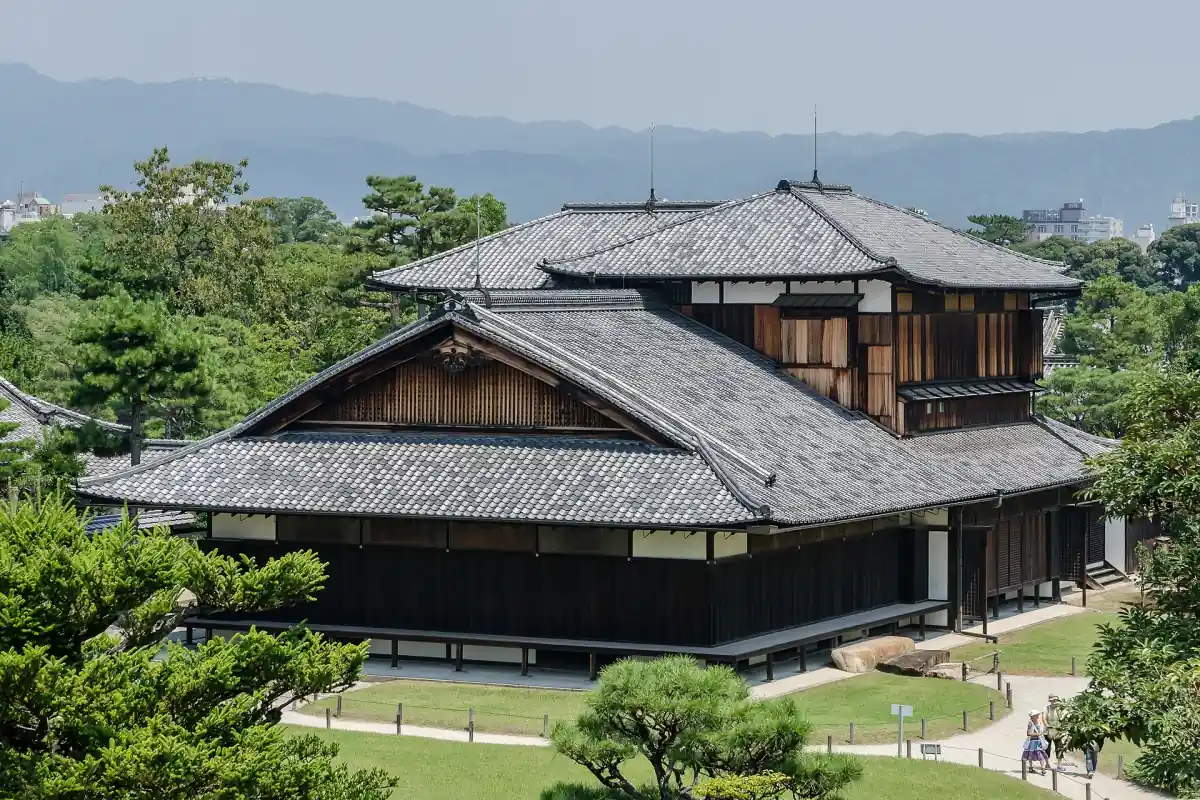
The Ninomaru Palace is the main sight of Nijo Castle and the reason most visitors come. It is a National Treasure and consists of six connected buildings in the shoin-zukuri style, the formal warrior-class architecture of the period. Walking through Nijo Castle inside the palace means following the route of those who once came to see the shogun, from waiting rooms to the great audience hall. The palace appears in many searches simply as nijo castle, so this page covers what you see inside and what to know before you go.
A visit to the palace alone takes about 30 minutes. With the Ninomaru Garden behind it, count on one to one and a half hours. The ticket is explained on the page about tickets and entrance fees.
Our picks: Ninomaru Palace with a guide
For Ninomaru Palace in depth, the private tour gives the most detail.
Hand-picked tours, booked through GetYourGuide and Viator. Prices are indicative starting prices in US dollars (as of October 2026). Tap a tour for live availability and the current price in your currency.
Private in-depth tour of the Imperial Palace and Nijo Castle
- Nijo Castle admission incl. Ninomaru Palace
- Taxi between palace and castle
- Private guide for your group
A private tour where you set the pace and ask questions, with four depths to choose from. The Imperial Palace part is an outside route.
Check availability →
Private tour of Nijo Castle's shoguns and history
- Admission needed for your route
- Nightingale floors explained
- Gardens and East Main Gate
For anyone who wants the Tokugawa story, the palace and the gardens explained in depth. The length depends on your option, and special exhibitions cost extra.
Check availability →
Nijo Castle World Heritage tour with entrance fee
- Entrance fee included
- Local guide
A 90-minute guided tour of the castle led by a local guide. Check the booking page for exactly which areas the ticket covers.
Check availability →Guided visits of the Ninomaru Palace
Compare guided castle visits and check which areas each booking includes.
Nightingale floors
The corridors that sing.
The nightingale floor, called uguisu-bari in Japanese, makes a sound like a bird when you walk on it. The castle administration explains the sound through the friction of metal clamps and nails under the boards. Many people tell it as a story of ninja alarms, but the official description speaks only of the mechanism, so enjoy it as a feature of the building. Every visitor makes the floor chirp a little, so the corridors rarely stay quiet. Do not rush, because the sound is part of the experience.
Kano school paintings
Painted for an imperial visit.
The palace holds about 3,600 paintings on walls and sliding doors, and 1,016 of them are Important Cultural Properties. Kano Tan'yu and his workshop created the decoration for the imperial visit of 1626. Part of the originals has been replaced by hand-made reproductions as part of a conservation programme, and the originals are kept in the Painting Gallery, where they are shown in rotation. So what you see in the rooms is a mix that you should not describe as all original.
The gallery has its own entry for 100 JPY on top of the castle admission. Its entry hours are from 09:00 to 16:30, and the current autumn exhibition runs from 10 September to 8 November 2026, followed by a winter exhibition from 19 November 2026 to 17 January 2027. The gallery is closed from 29 to 31 December 2026. Photos are possible there, without flash or tripod, unlike in the palace. The story of the paintings and the building is told further on the history page.
The rooms: Tozamurai, Shikidai, Ohiroma
The order of the route follows rank.
The route moves from the outer rooms to the inner ones. The Tozamurai were waiting rooms for visitors. The Shikidai was the room where requests and gifts were passed on. The Ohiroma was the hall of the formal audience, where the shogun received daimyo, and the tiger paintings and the order of the rooms are part of the official explanation of rank. In the Ohiroma in 1867 the 15th shogun, Tokugawa Yoshinobu, announced the return of political power to the emperor, an event known as Taisei Hokan.
The Honmaru Palace is a separate building with its own ticket, and you can read about it on the page about the Honmaru Palace.
Shoes off, no photos inside
The rules in the palace.
You take off your shoes at the entrance of the palace. The castle warns about mix-ups at the shoe shelves and offers shoe bags on request, so keep your shoes with you if you prefer. Photos and videos are not allowed inside. Do not let bags or objects knock against the walls or pillars. Dress for the season, because the palace routes are mostly not air-conditioned in the hot months. The grounds outside allow snapshots on the visitor paths.
Long-term restoration plan
A plan, not a closure.
The city of Kyoto published a restoration plan for the Ninomaru Palace on 27 February 2026. It has four phases and is expected to take 34 years in total, and the buildings are meant to become accessible again step by step. The plan does not mean a blanket closure of the palace. Areas that are closed for work can change, so check the current notice before your visit. The palace has its own closing days, such as Tuesdays in January, July, August and December, which are listed on the opening hours page.
Ninomaru Palace: frequently asked questions
Why do the nightingale floors squeak?
The castle administration explains that metal clamps and nails rub against each other when you walk, which produces a sound like a bird.
Can I take photos inside the Ninomaru Palace?
No. Photos and videos are not allowed inside. In the Painting Gallery photos are possible, without flash or tripod.
Are the paintings in the rooms originals?
Part of the originals has been replaced by reproductions, and the originals are kept in the Painting Gallery. Do not expect all of them to be original.
How long does the visit take?
About 30 minutes for the palace alone, and one to one and a half hours with the garden.
Is the Honmaru Palace part of the Ninomaru ticket?
No. It is a separate ticket with a time slot, and no tour on this site includes it.